

Why Anxiety Gets Worse at Night: A Guide for Young Adults
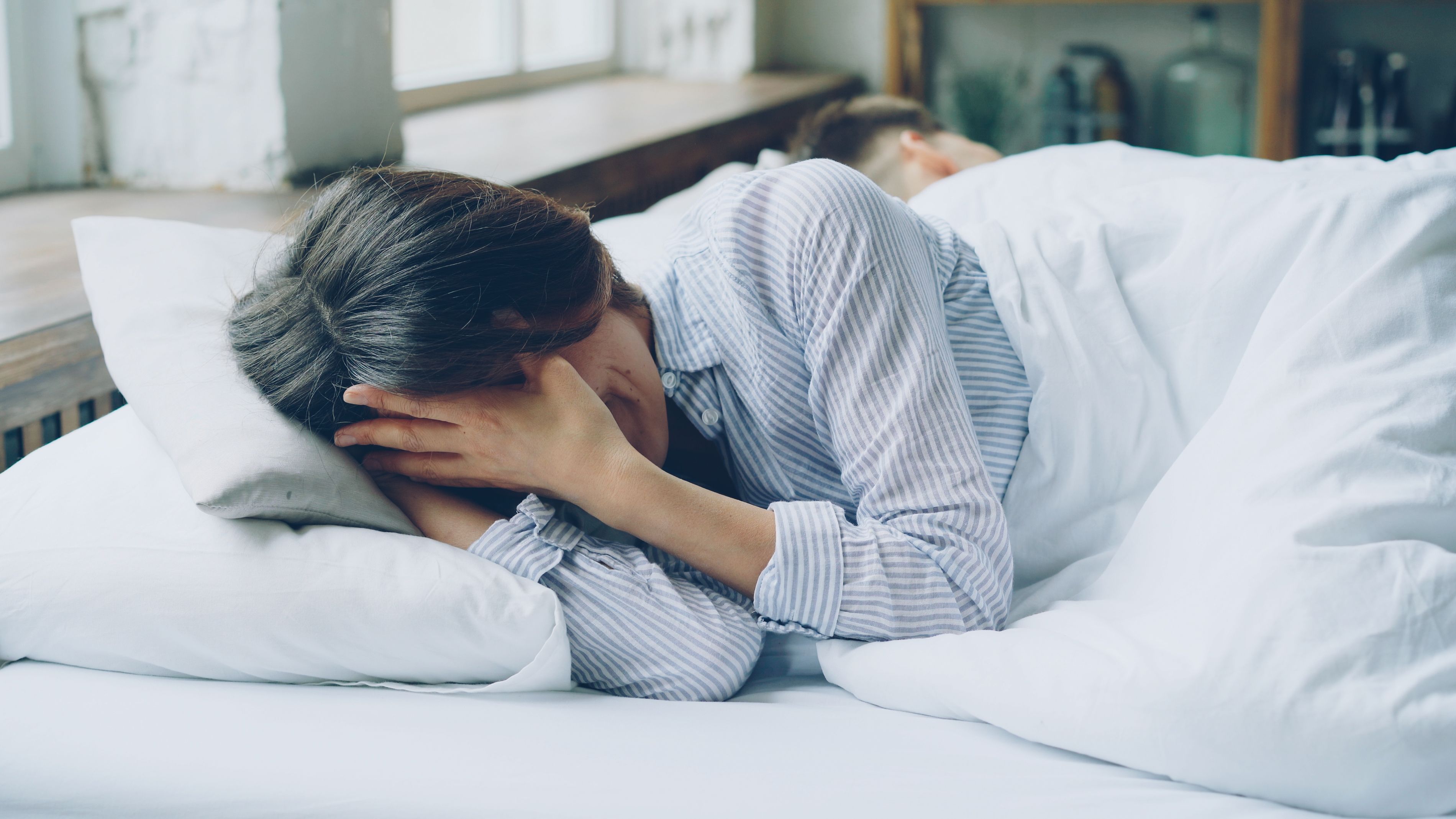
If you’re lying awake with a racing heart, replaying a conversation from three years ago, or convinced a headache means something serious, you’re not overreacting, and you’re not alone. We see this pattern constantly in our Rose Bay practice, particularly among young adults aged 17 to 25 navigating the pressure of study, early careers, relationships, and independence for the first time.
This is one of the most common things we treat, and it’s also one of the most treatable. Here’s what’s actually going on, and what helps.
Why Anxiety Shows Up at Night
During the day, you’re distracted — work, uni, friends, your phone. At night, with nothing to compete for your attention, your nervous system finally gets the space to process everything it’s been holding. This is why so many people describe their anxiety as “fine all day, terrible at 11pm.”
Physiologically, lying still in the dark also mimics the same low-stimulation state your brain uses to scan for threats. For some people this shows up as racing thoughts; for others it’s a full panic attack that wakes them from sleep, heart pounding, feeling like something is wrong with their body. Waking up mid-panic is disorienting and frightening — but it is a well-documented anxiety response, not a sign that something is medically wrong.
Panic Attacks That Happen During Sleep
Nocturnal panic attacks are more common than people realise, especially in your twenties. You might wake suddenly with a racing heart, shortness of breath, sweating, or a sense of dread, with no clear trigger. Because there’s no obvious cause, it often feels more frightening than a daytime panic attack — many people assume it’s a heart problem or something more serious.
The cycle that follows is predictable: the panic attack happens, you become afraid of falling asleep in case it happens again, and that fear of sleep itself increases anxiety and the likelihood of another episode. Breaking this cycle is very treatable with the right support — it doesn’t require “just getting better sleep” or willpower.
Health Anxiety in Your 20s
For a lot of young adults, anxiety doesn’t stay abstract — it attaches itself to the body. A racing heart becomes “am I having a heart attack.” A headache becomes “what if this is serious.” This is health anxiety, and it’s extremely common in this age group, partly because this is often the first time people are managing their own health independently, and partly because of how easy it is to spiral through symptoms online at 1am.
Health anxiety isn’t about being dramatic or attention-seeking — it’s a genuine, exhausting cycle of fear, checking, reassurance-seeking, and temporary relief that never quite lasts.
The Good News: This Responds Well to Therapy
Anxiety, panic attacks, health anxiety, and sleep-related anxiety are among the most evidence-supported conditions we treat. Approaches like CBT (Cognitive Behavioural Therapy) are specifically designed to interrupt the exact cycles described above — the racing thoughts, the fear of fear, the body-checking — and give you practical tools you can use immediately, not just in six months.
Most young adults we see aren’t looking for years of therapy. They want to understand what’s happening to their body and mind, get it under control, and get their sleep and their life back.
Support for Young Adults in the Eastern Suburbs
At MindMovers Psychology in Rose Bay, we work with a lot of young adults aged 17–25 across the Eastern Suburbs, Bondi, Double Bay, Vaucluse, Woollahra, and beyond, dealing with anxiety, panic attacks, health anxiety, and sleep difficulties. You don’t need to have a “big” reason to reach out. Struggling to sleep, feeling anxious most days, or being caught in a health-worry spiral is enough of a reason on its own.
If this sounds familiar, we’d like to help.
Get in touch: info@mindmoverspsychology.com.au | (02) 9328 1081
Mind Movers Psychology is based in Rose Bay, supporting children, adolescents, and adults — including young adults aged 19–25 — across Sydney’s Eastern Suburbs.